After talking about the importance of sorting waste, it seemed relevant to explain the consequences of a bad waste management and to link them with the danger on local animal species, to raise even more awareness of the right actions to be taken.
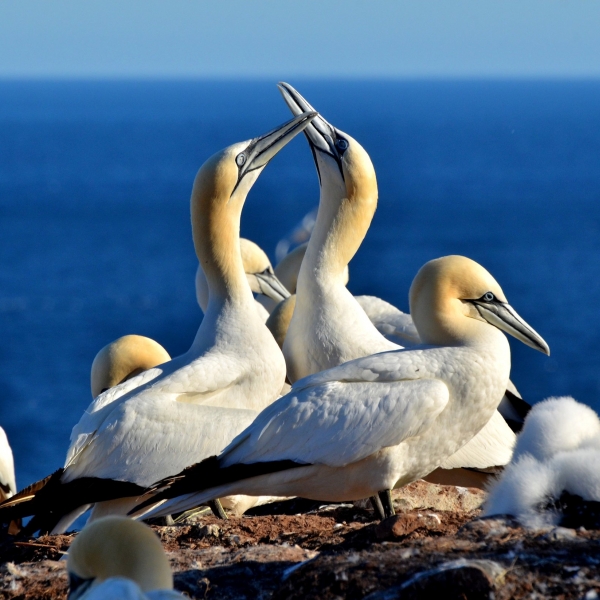
1. Seabirds
As they decompose, plastic objects become easier for small animals to eat. It even seems that this material gives off an odor that attracts seabirds (source: Québec Science).
This is why birds are the first victims of plastic in nature. Although the majority have already swallowed it, researchers predict that by 2050, 99% of seabirds will have swallowed plastic! (Source: La Presse).
While adult birds are fortunate enough to be able to regurgitate most of the waste, hundreds of thousands of young birds die from it across the world.
2. Marine mammals
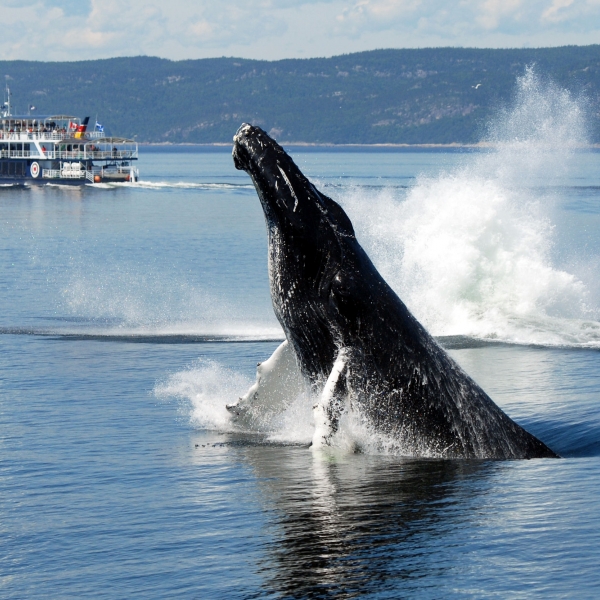
There are many marine mammals that live in the St. Lawrence River. And, on Earth, approximately 100,000 mammals die from waste left in the oceans.
In 2019, the corpse of a whale was found with 40 kg of plastic in its stomach! (Source: Le Devoir).
In addition, UV rays, in contact with this waste, release chemical compounds into the water, and, in Quebec, belugas have a very high cancer rate. This species is even listed as endangered by COSEWIC (Committee on the Status of Endangered Wildlife in Canada).
3. Sea turtles
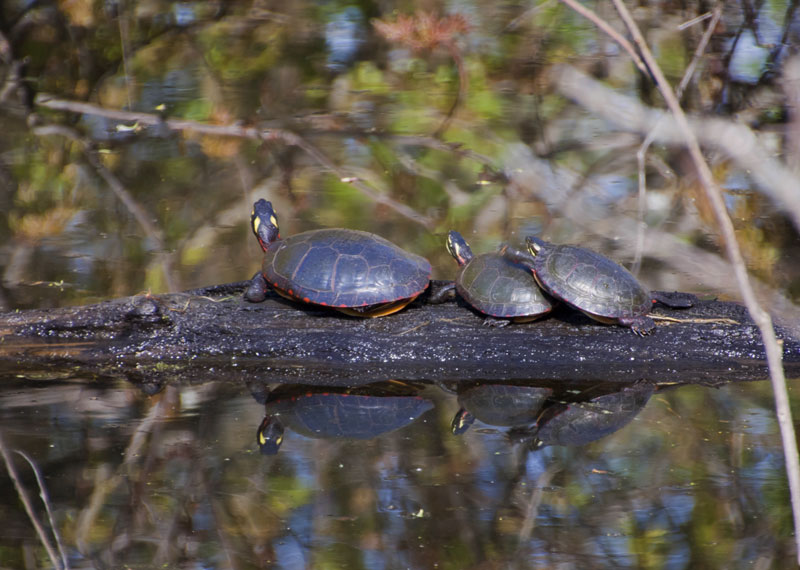
Even if these turtles are not very widespread in Canada, there are 8 species of freshwater turtles living here (Source: Hinterland Who's Who). All are threatened by the dangers of plastic waste!
Leatherback sea turtles, for example, usually feed on jellyfish. For this species, it is difficult to differentiate between a plastic bag or a deflated balloon and their usual food, which disrupts their digestive system and makes it an endangered species in Quebec, since 2009 (Source: List of endangered wildlife species or vulnerable in Quebec).
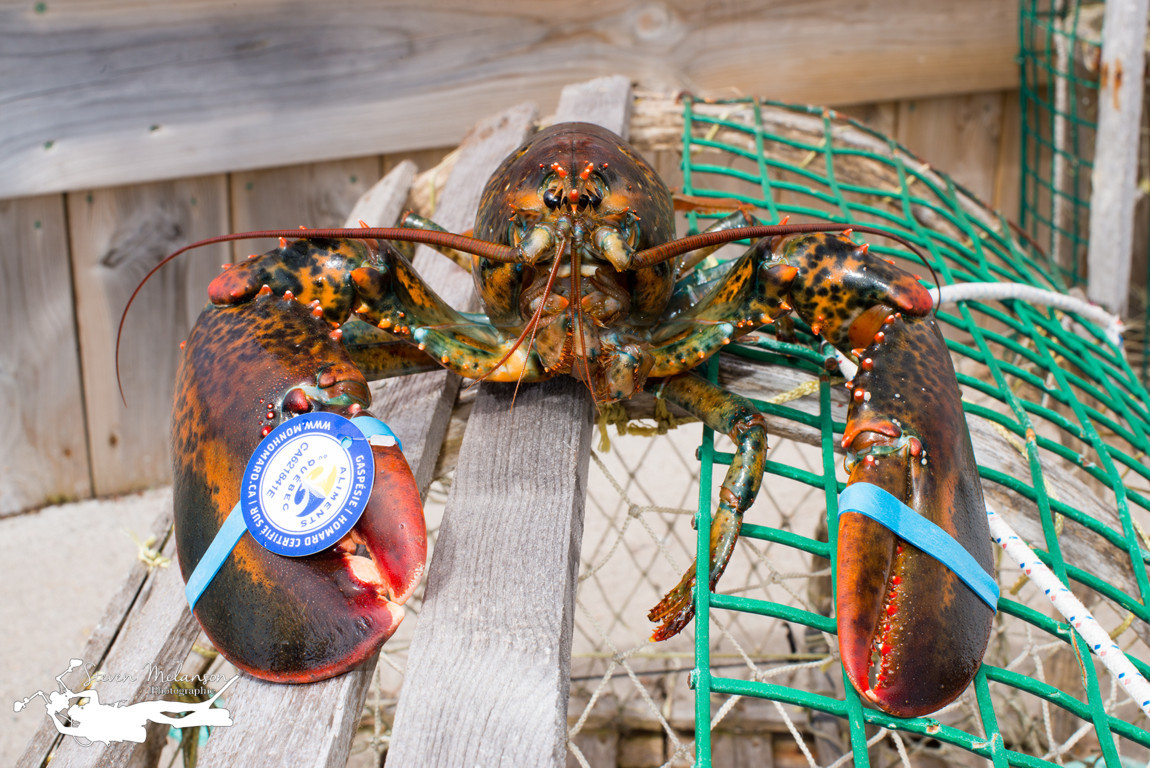
4. Plankton, crustaceans and shellfish
The smallest marine species are affected by plastic and its decomposition. What is part of the diet of the 3 previous species therefore also consumes microplastics.
Your favorite seafood, such as mussels or oysters from Quebec, are also polluted by chemical compounds.
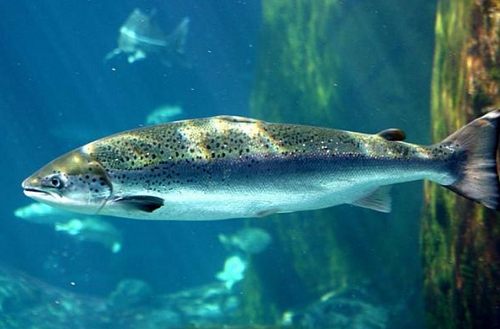
5. Fish
The fish in our lakes, rivers and coasts are also affected by pollution from waste. Regardless of the species of fish, it is very likely that they ingested plastic.
This waste is not just found in the oceans since it is very common to find old lures in freshly caught fish.
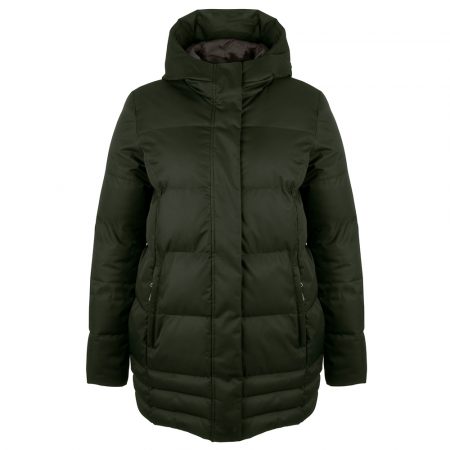
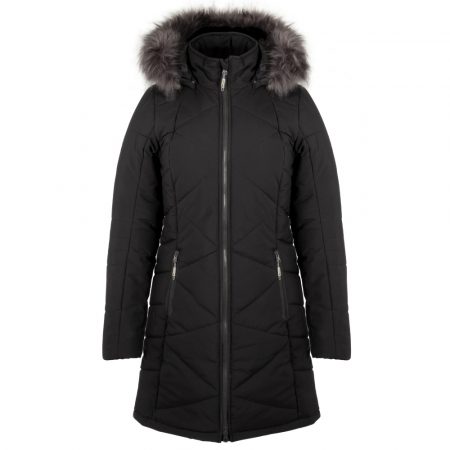
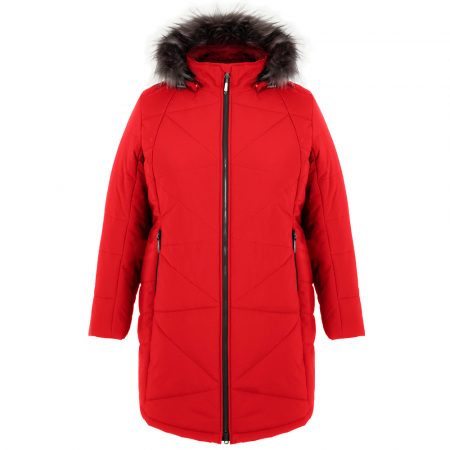
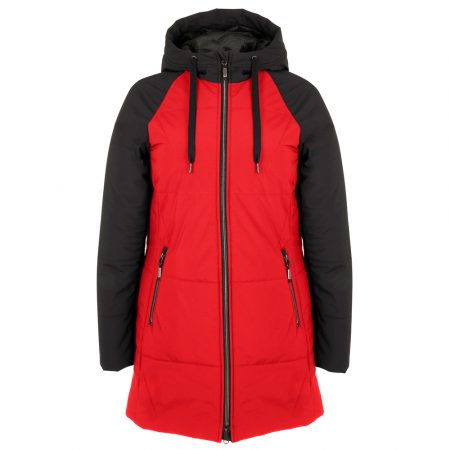
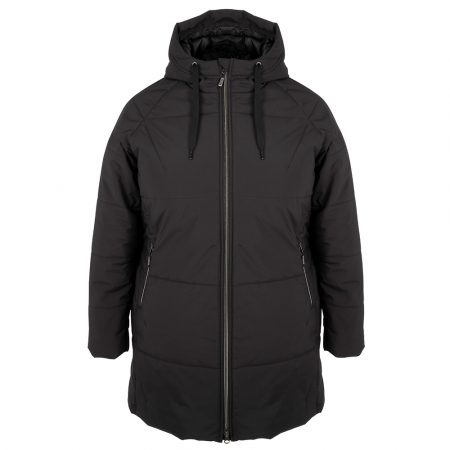
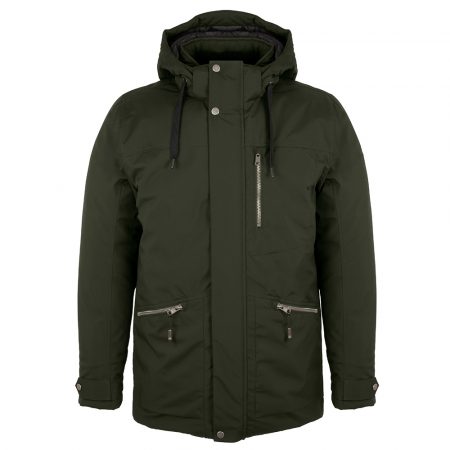
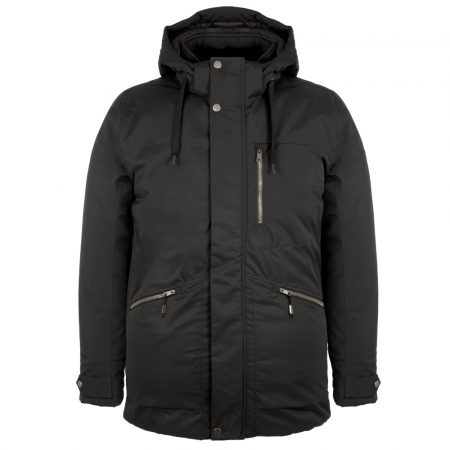
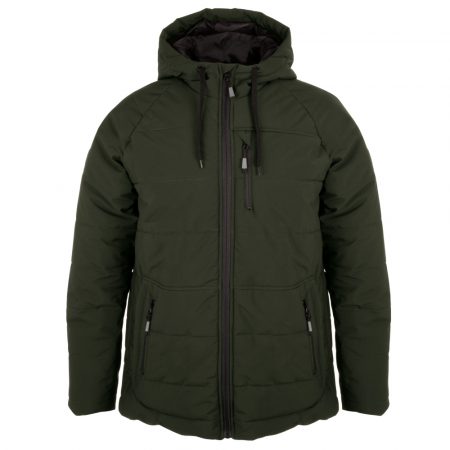
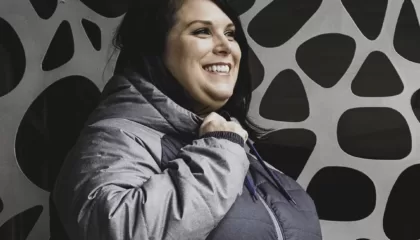
Find your jacket made from over 30 recycled plastic bottles collected from the oceans:
 Read more +
September 14, 2018 By admin in Blog, Uncategorized
Read more +
September 14, 2018 By admin in Blog, Uncategorized